Senate passes $914B defense policy bill after resolving gridlock on amendments
Senators voted 77-20 to approve the National Defense Authorization Act, moving the bill forward on a largely bipartisan basis.
Section 1564 would give the Joint Chiefs of Staff the right to nix changes to military systems that would be required to comply with planned spectrum sharing plans.
As the 119th Congress moves forward under a Republican-led majority party, Rogers returns as Chairman of the House Armed Services Committee, with oversight of the panel that drafts the annual National Defense Authorization Act (NDAA) authorization bill.
As Ranking Member of the HASC, Smith plays a senior role in a committee with legislative jurisdiction over military policy through the annual passage of the the National Defense Authorization Act (NDAA).
In an interview with Breaking Defense, Rep. Adam Smith said he was unsure if he would support the bill due to concerns about language that restricts transgender care for the children of servicemembers.
Feeling lost on defense budget matters after the August legislative recess? Breaking Defense has a primer for you.
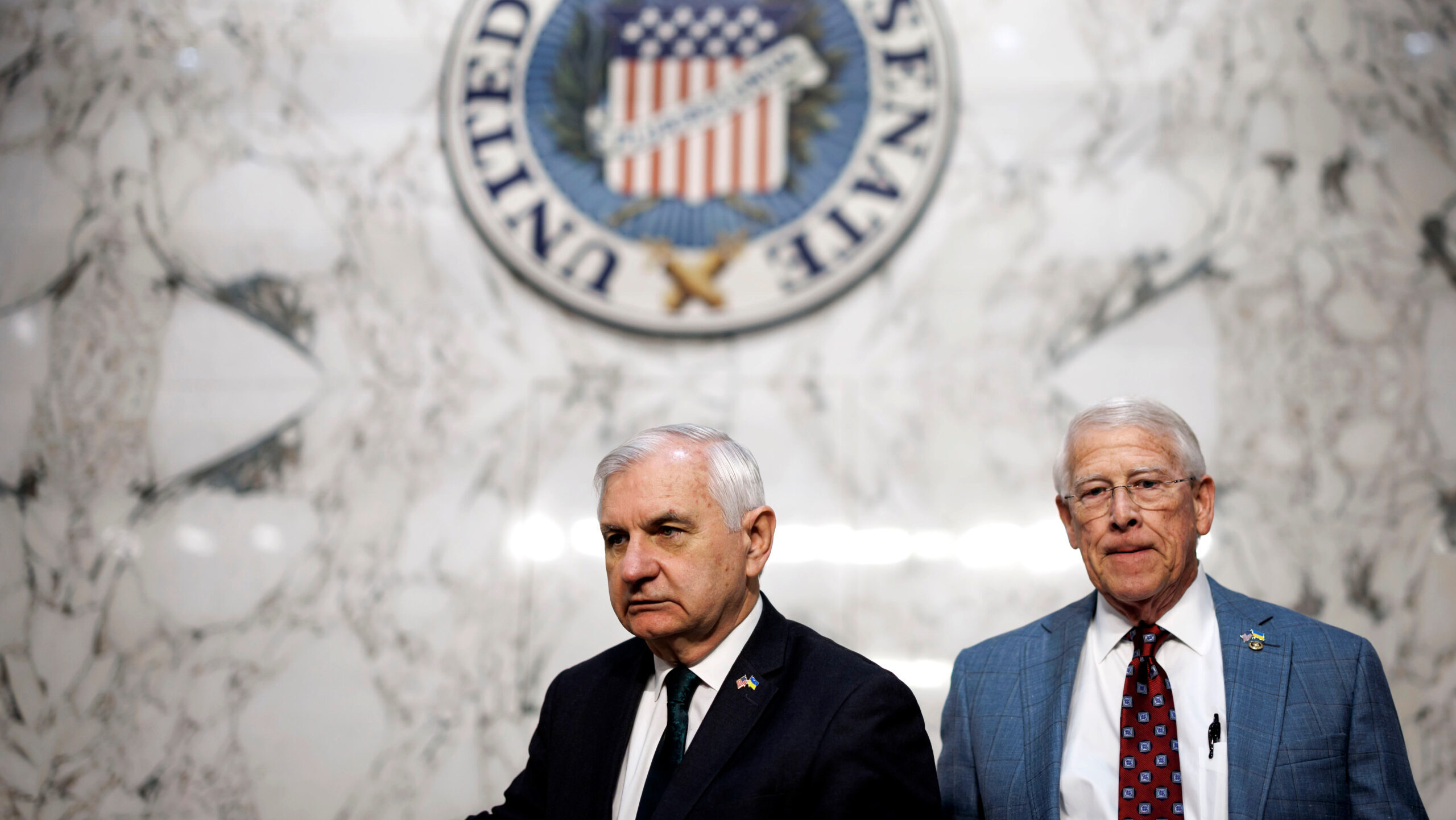
The amendment to break congressionally-mandated spending caps, offered by Sen. Roger Wicker, the committee's top Republican, led SASC Chairman Jack Reed to vote against the bill.
In this op-ed, Elaine McCusker and John Ferrari of AEI call out what they see as the good and the bad in the HASC NDAA draft.
CDAO’s Advana data analytics platform is ingesting data from about 500 DoD business systems.
"Protectionists and isolationists in both chambers have decided to up the ante this year on the NDAA," writes analyst Bill Greenwalt in this new op-ed.
The full-throated support by Armed Services Committee lawmakers could foreshadow Force Design 2030's future when its biggest proponent leaves the Marine Corps.
"Cutting Army end strength to only 452,000 soldiers locks in the service’s worst projections for recruiting, forestalling any possibility to achieve greater-than-predicted success," writes Thomas Spoehr of the Heritage Foundation.
The topline is an increase of $45 billion over what Biden’s budget requested.